What Is a DMC? A Travel Agent's Guide to the Basics
Key takeaways
- •A DMC (destination management company) is a local operator that handles ground services like transfers, tours, guides, and MICE logistics on behalf of overseas agents.
- •DMCs differ from tour operators and OTAs by focusing on one destination with deep local knowledge and B2B pricing rather than selling direct to travelers.
- •Agents should partner with a DMC when they lack local presence, need reliable ground handling, or want to resell a destination without building their own supplier network.
- •Thailand welcomed more than 35 million international visitors in 2024, so a Phuket DMC gives agents a tested way into a large, competitive market.
A DMC, or destination management company, is a locally based partner that handles the ground side of travel: transfers, tours, guides, hotels, and event logistics on behalf of agents who sit in another country. If you sell trips but do not have staff in the destination, a DMC becomes your operational team on the ground.
For a travel agent, that arrangement solves a practical problem. You know your clients and your home market, but you cannot personally vet a speedboat operator in the Andaman Sea or negotiate a fleet of airport transfers in Phuket. A DMC already does. Understanding how these companies work, and where they fit against tour operators and online travel agencies, helps you decide when to bring one in.
Key Takeaways
- A DMC is a local operator that manages ground services for agents based abroad.
- DMCs work strictly B2B and specialize in one destination, unlike OTAs that sell direct.
- Thailand recorded more than 35 million international visitors in 2024, a large market a DMC helps you enter.
What Does a Destination Management Company Actually Do?
A destination management company runs the on-the-ground operation for a trip so the selling agent does not have to. Its role is coordination and delivery inside a specific region: contracting suppliers, managing quality, and stepping in when a flight is delayed or a booking changes. The agent owns the client relationship; the DMC owns local execution.
Think of the DMC as the local desk your agency would open if it could afford one in every country. It holds the supplier contracts, keeps the licensed guides on call, and knows which beach is closed for the season. That local presence is the entire value proposition, and it is why agents contract a DMC at wholesale rates rather than building the same network from scratch.
The scale involved is real. Thailand welcomed more than 35 million international visitors in 2024, with tourism revenue exceeding 1.8 trillion baht, according to the Tourism Authority of Thailand (TAT Newsroom, 2024). Serving that many arrivals well takes organized ground handling, which is exactly what a DMC provides.
How Do DMCs Differ From Tour Operators and OTAs?
The clearest way to tell them apart is by who they sell to and how many destinations they cover. A DMC is B2B and single-destination. A tour operator packages and resells trips, often across many countries, and sometimes sells to travelers directly. An OTA is a booking platform that sells inventory straight to the public.
Here is the practical breakdown:
- DMC: Local, B2B only, deep expertise in one destination. Sells net rates to agents and operators.
- Tour operator: Builds and markets packages, can span multiple destinations, may sell direct or through agents.
- OTA: Online marketplace (think large booking sites) that lists rooms, flights, and activities for consumers to book themselves.
An OTA gives a traveler a fast checkout but no local advocate if things go wrong at 9pm on a pier. A DMC gives an agent a named contact who fixes the problem on the ground. The two serve different needs, and many agents use a DMC precisely to offer service an OTA cannot match.
What Core Services Does a DMC Provide?
Most DMCs cluster their work into four areas: ground handling, transfers, tours and excursions, and MICE. Together these cover almost everything a client touches after landing, which is why a single DMC contract can replace a dozen individual supplier agreements.
The four pillars look like this:
- Ground handling: Meet-and-greet, coordination between suppliers, and on-trip support if plans change.
- Transfers: Airport pickups, hotel-to-pier runs, and private vehicles matched to group size.
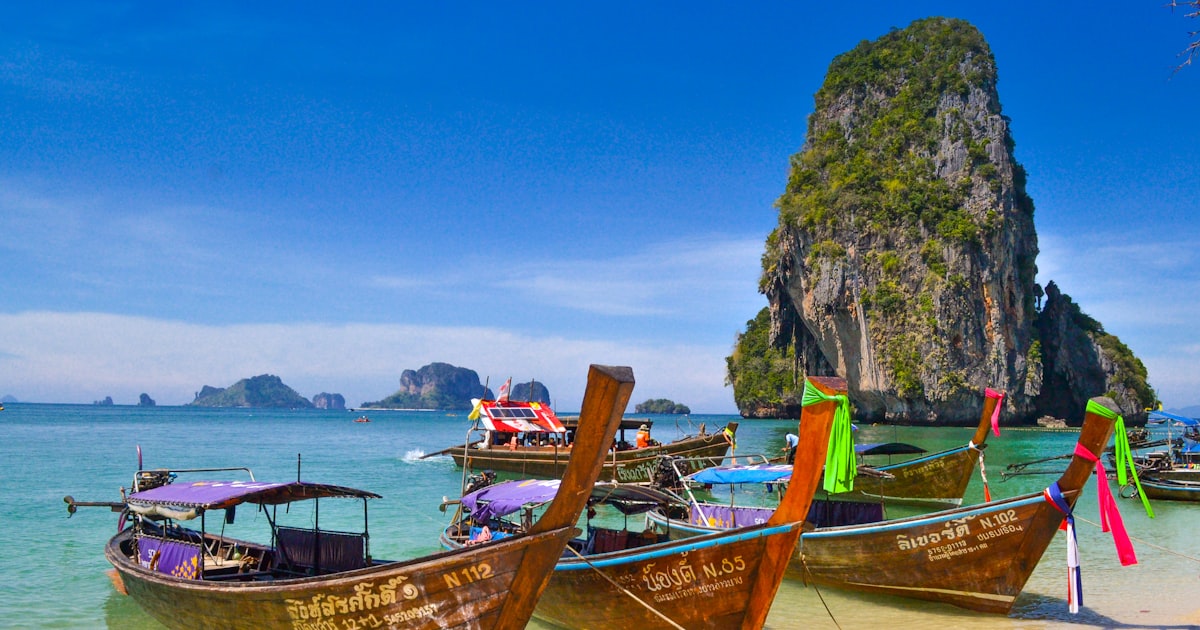
- Tours and excursions: Day trips, island hopping, and licensed guides. In Phuket this often centers on speedboat day trips to nearby islands.
- MICE: Meetings, incentives, conferences, and exhibitions, which demand tight logistics and venue relationships.
MICE is a fast-growing slice of the work. Thailand's MICE market was valued at USD 4.3 billion in 2024 and is projected to reach USD 13 billion by 2033 at a compound annual growth rate of 10.3% from 2025 to 2033 (ResearchAndMarkets.com via GlobeNewswire, 2025). For agents with corporate clients, a DMC that handles MICE is a serious asset.

If your clients want the islands, the mechanics of pricing and packaging those trips matter. Our guide to building profitable Phuket speedboat day trip packages walks through how the excursion side comes together at the product level.
When Should a Travel Agent Partner With a DMC?
An agent should bring in a DMC whenever selling a destination outpaces the ability to service it locally. If you are quoting Phuket trips but have no staff, no supplier contracts, and no local phone number for emergencies, a DMC fills every one of those gaps at once. The trigger is usually growth: enough demand to justify a real ground partner.
There are a few common signals. You are turning away business because you cannot vet suppliers fast enough. You are worried about liability when something goes wrong far from home. Or you want to add a destination without the cost of research trips and contract negotiation. In each case, a DMC gives you a working operation on day one.
The tradeoff is margin. You pay net rates and add your markup, so the DMC takes a cut of the value chain. For most agents that is worth it, because the alternative is carrying the full operational and reputational risk yourself. A reliable partner turns a risky new destination into a repeatable product line.
How Do You Choose a Reliable DMC for Phuket and Thailand?
Choosing a DMC comes down to proof of local depth and consistency. Ask how long they have operated in the destination, which licenses and insurance they hold, and how they handle problems mid-trip. A strong Phuket DMC should answer all three quickly, with specifics rather than marketing language.
Run through this short checklist before you sign:
- Local track record: Years operating in Phuket and Thailand, plus references from other agents.
- Licensing and insurance: Proper tour and transport licenses, plus liability cover.
- Supplier quality: Vetted boat operators, vehicles, and licensed guides, not the cheapest available.
- Support hours: A real person reachable when your clients are on the water, not just office hours.
- Clear net pricing: Transparent rates and terms you can build a margin on.
Cybertouronline is one example of a wholesale B2B operator focused on this exact market, packaging Phuket tours, speedboat trips, and private transfers for agents to resell. For a fuller view of how the partnership works in practice, see our Phuket DMC services partner guide for agents, which covers rates, contracting, and support in detail.
Whatever partner you choose, treat the selection like hiring your own local team, because that is functionally what a DMC becomes. Start by shortlisting two or three operators, request their agent rate sheets, and run a small test booking before you commit a major group. That single test tells you more about reliability than any brochure will.
Frequently asked questions
What does DMC stand for in travel?
DMC stands for destination management company. It is a local business that arranges ground services such as transfers, tours, guides, hotels, and event logistics for travel agents and operators based in other countries.
How is a DMC different from a tour operator?
A tour operator packages and sells trips, often across many destinations, sometimes directly to travelers. A DMC works B2B and specializes in the on-the-ground delivery within a single destination, acting as the local partner for those operators and agents.
Do travel agents pay a DMC or the traveler?
Travel agents contract the DMC directly at net or wholesale rates and then add their own margin when selling to the client. The traveler usually never sees the DMC by name; they experience the service the DMC delivers on the ground.
Why use a DMC for Phuket instead of booking suppliers directly?
A Phuket DMC already holds vetted supplier relationships, licensed guides, and local emergency support. That saves an agent the time and risk of sourcing, contracting, and quality-checking dozens of individual suppliers from abroad.