Phi Phi Thailand: Complete Guide for Travel Agents

Phi Phi Thailand represents one of Southeast Asia's most iconic island destinations, drawing hundreds of thousands of visitors annually with its dramatic limestone cliffs, crystal-clear waters, and vibrant marine ecosystems. For travel agencies operating in the B2B space, understanding the complexities of Phi Phi Island logistics, tour operations, and client expectations is essential to delivering exceptional service and maintaining competitive advantage in the Andaman Sea region. This comprehensive guide provides travel professionals with actionable insights into maximizing Phi Phi Thailand bookings while navigating the operational realities of this unique destination.
Understanding the Phi Phi Island Archipelago
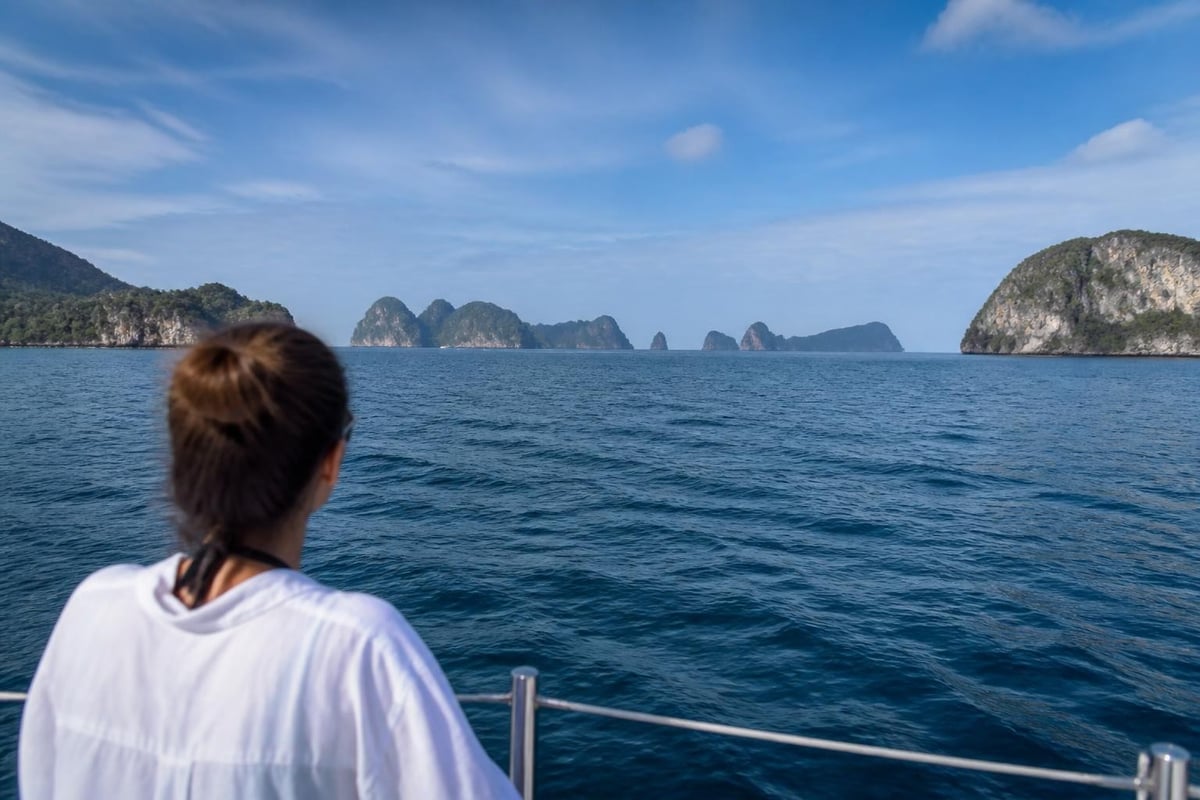
The Phi Phi Islands consist of six islands located approximately 45 kilometers southeast of Phuket in the Andaman Sea. The archipelago is divided into two main islands that form the core of most tourist operations.
Phi Phi Don serves as the only inhabited island in the group, featuring the bustling Tonsai Village where most accommodation, restaurants, and nightlife concentrate. This island provides the infrastructure necessary for overnight stays and serves as the base for most multi-day itineraries.
Phi Phi Leh remains uninhabited but attracts the majority of day-trip visitors due to Maya Bay, made famous by the 2000 film "The Beach." The island falls within the Hat Noppharat Thara–Mu Ko Phi Phi National Park, which imposes specific regulations on visitor access and environmental protection.
Key Geographic Features
| Island | Size | Population | Primary Function |
|---|---|---|---|
| Phi Phi Don | 28 km² | ~2,500 permanent | Accommodation & services |
| Phi Phi Leh | 6.6 km² | Uninhabited | Day tours & sightseeing |
| Bamboo Island | 0.4 km² | Uninhabited | Snorkeling destination |
| Mosquito Island | 0.2 km² | Uninhabited | Diving & snorkeling |
Understanding these distinctions helps travel agencies craft appropriate itineraries and set realistic client expectations regarding facilities and experiences available at each location.
Transportation Options and Logistics
Travel professionals must navigate several transportation variables when coordinating Phi Phi Thailand excursions. The island's accessibility depends entirely on boat transfers, making vessel selection a critical component of package planning.
Ferry and Speedboat Considerations
Large ferry boats accommodate 200-300 passengers and require approximately 90-120 minutes for the Phuket-Phi Phi route. These vessels offer economy and comfort options, with air-conditioned cabins available on premium services. The Phi Phi Island Tour Big Boat options provide reliable capacity for high-volume bookings during peak seasons.
Speedboats complete the journey in 45-60 minutes, carrying 30-35 passengers in open-seating configurations. While faster, these vessels face operational restrictions during monsoon season (May-October) when wave conditions exceed safety parameters.
Longtail boats serve as inter-island shuttles between Phi Phi Don and surrounding dive sites, typically carrying 6-10 passengers on shorter excursions around the archipelago.
- Morning departures (8:00-9:30 AM) avoid afternoon weather systems
- Return transfers typically operate between 3:00-5:00 PM
- Shared transfer services require minimum passenger counts
- Private charters offer flexibility but increase per-person costs significantly
The Lonely Planet guide to Ko Phi Phi Don provides additional context on transportation schedules and seasonal variations that impact booking strategies.
Tour Package Configurations for Phi Phi Thailand
Constructing profitable tour packages requires balancing client experience with operational efficiency. Most agencies offer three primary package structures when marketing Phi Phi Thailand experiences.
Day Tour Packages
Full-day excursions represent the most popular format for visitors staying in Phuket. These packages typically include:
- Hotel pickup via shared transfer from designated zones
- Pier check-in at Rassada Pier or alternative departure points
- Island hopping itinerary covering 3-5 locations
- Lunch service aboard vessel or at beachside restaurant
- Snorkeling equipment and life jacket provision
- Return transfer to original pickup locations
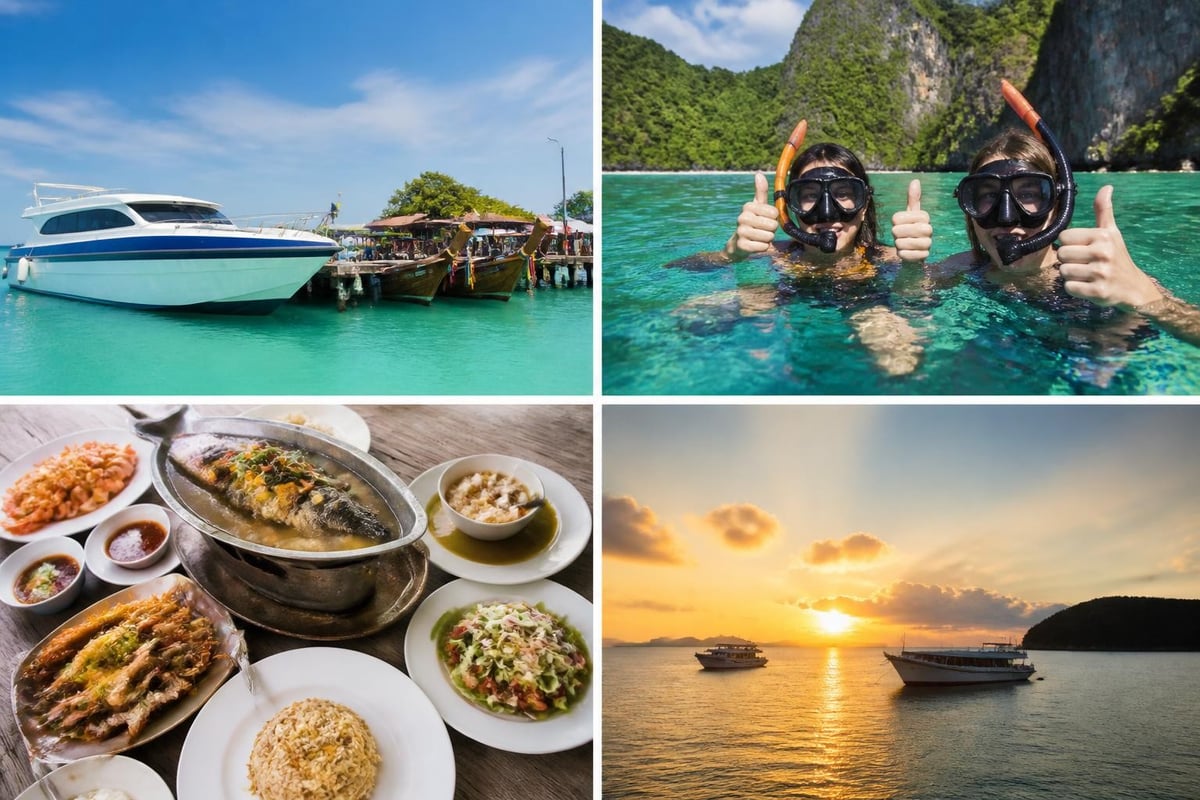
Standard itineraries visit Maya Bay, Pileh Lagoon, Viking Cave, Monkey Beach, and bamboo Island in various combinations. Total duration ranges from 8-10 hours including transfers.
Multi-Day Packages
Overnight configurations allow deeper exploration and reduced time pressure. These packages incorporate:
- Accommodation on Phi Phi Don (2-4 star properties)
- Multiple snorkeling sessions at different times
- Sunset viewing from viewpoint trails
- Evening beach activities and village exploration
- Early morning departure advantages before day-trip crowds
The comprehensive packages available through specialized B2B platforms demonstrate how combining accommodation, tours, and transfers creates higher-value offerings.
Premium and Private Options
High-margin clients increasingly request exclusive experiences that avoid mass-market crowding:
| Package Type | Group Size | Vessel Type | Customization Level |
|---|---|---|---|
| Shared Silver Seat | 250+ | Large ferry | Fixed itinerary |
| Semi-Private | 15-20 | Speedboat | Moderate flexibility |
| Private Charter | 2-10 | Speedboat/yacht | Full customization |
Premium packages command 40-60% higher rates while delivering personalized service, flexible scheduling, and enhanced dining options.
Seasonal Dynamics and Booking Strategy
Phi Phi Thailand experiences dramatic seasonal fluctuations that directly impact pricing structures, availability, and operational reliability. Travel agencies must adapt strategies accordingly.
High Season (November-April)
This period delivers optimal weather conditions with minimal rainfall and calm seas. Key characteristics include:
- Advance booking requirements extending 14-30 days for popular dates
- Premium pricing increases of 25-40% compared to low season
- Maximum vessel utilization requiring early confirmation to secure capacity
- Extended operating hours with additional afternoon departures available
January-February represents peak demand, coinciding with European winter holidays and Chinese New Year periods. The tours inventory typically shows limited last-minute availability during these months.
Shoulder Season (May, October)
Transitional months offer reduced rates while maintaining reasonable weather reliability:
- Pricing discounts of 15-25% below peak rates
- Moderate tourist volumes creating comfortable group sizes
- Occasional weather disruptions requiring flexible cancellation policies
- Strong value proposition for budget-conscious travelers
Monsoon Season (June-September)
Southwest monsoon conditions create operational challenges but present opportunities for specialized marketing:
- Deep discounts reaching 40-50% off high-season rates
- Unpredictable cancellations due to sea conditions
- Reduced service frequency with many operators limiting schedules
- Emphasis on Phi Phi Don-based activities rather than extensive island hopping
Agencies serving clients with flexible travel dates can leverage shoulder and monsoon periods to deliver exceptional value while managing expectation around weather variability.
Environmental Regulations and Compliance
The Thai government implemented significant restrictions on Phi Phi Thailand access following environmental degradation concerns. Travel professionals must maintain current knowledge of these regulations to avoid operational disruptions.
Maya Bay Closure and Reopening
Maya Bay underwent complete closure from June 2018 to January 2022 for ecological recovery. Current regulations permit limited access under strict conditions:
- Maximum daily visitors capped at specific numbers
- No beach landing permitted - viewing from boats only
- Designated anchoring zones to protect coral formations
- Time restrictions limiting duration at the bay
- National park fees collected per visitor ($15-20 USD equivalent)
These restrictions change periodically based on environmental assessments. The visual guide to Phi Phi Islands showcases current access protocols at major attractions.
Marine Conservation Practices
Responsible tour operators implement practices that agencies should verify when selecting suppliers:
- Reef-safe sunscreen requirements communicated to clients
- No-touch policies for marine life during snorkeling
- Waste collection systems preventing ocean disposal
- Mooring buoys usage instead of coral anchoring
- Passenger limits matching environmental capacity
Agencies marketing sustainable tourism should prioritize operators demonstrating documented compliance with these standards.
Client Expectations and Common Challenges
Managing client satisfaction requires addressing frequent pain points associated with Phi Phi Thailand excursions. Experienced agencies proactively communicate realistic expectations during the booking process.
Common Client Concerns
Seasickness susceptibility affects approximately 20-30% of passengers on speedboat transfers. Recommendations include:
- Pre-trip medication taken 30-60 minutes before departure
- Seat selection toward vessel center for reduced motion
- Morning departures typically offering calmer conditions
- Alternative large ferry options for sensitive travelers
Physical fitness requirements vary by itinerary. Standard tours involve:
- Climbing in and out of boats multiple times
- Walking on uneven terrain and steep stairs
- Snorkeling in open water conditions
- Sun exposure for 6-8 hours continuously
Crowding at popular sites remains unavoidable during high season, particularly at Maya Bay and Pileh Lagoon between 10:00 AM and 2:00 PM. Early departure times or shoulder season bookings mitigate this concern.
Service Quality Variables
Tour quality depends heavily on operator selection. Key differentiators include:
| Quality Factor | Budget Operators | Premium Operators |
|---|---|---|
| Group size | 30-35 passengers | 15-20 passengers |
| Meal quality | Basic buffet | Restaurant-style service |
| Equipment condition | Standard gear | Well-maintained gear |
| Guide expertise | Basic English | Multilingual specialists |
| Schedule adherence | Often delayed | Punctual operations |
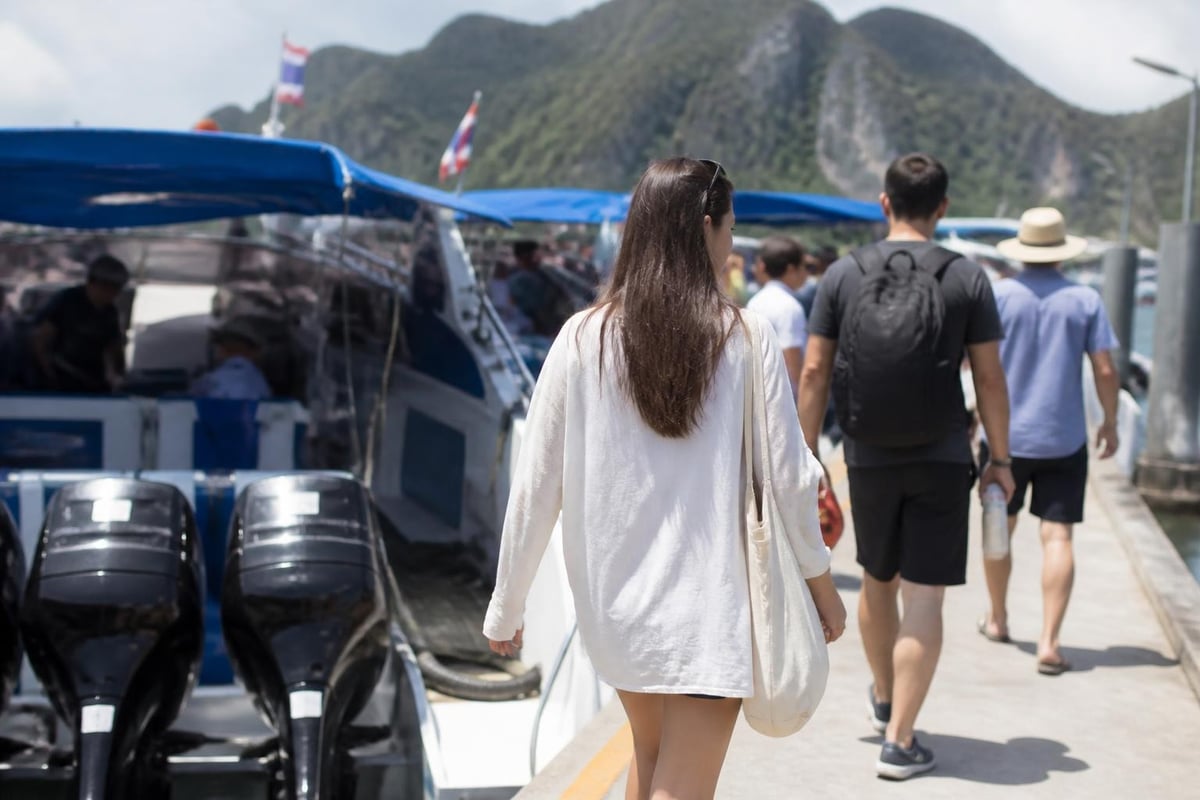
The transfers coordination becomes critical when connecting multiple service components across different suppliers.
Maximizing Profitability Through Strategic Partnerships
B2B platforms specializing in Phuket-region tourism provide travel agencies with competitive advantages unavailable through direct operator relationships. Understanding these benefits drives better margins and operational efficiency.
Verified Net Rates and Inventory Access
Established B2B portals offer:
- Real-time availability preventing overselling and confirmation delays
- Contractual net rates providing consistent pricing structures
- Volume discounts scaling with booking frequency
- Seasonal rate calendars enabling advance planning and client quotations
Systems with 30+ years of regional experience maintain supplier relationships that newer agencies cannot replicate independently.
Operational Support Benefits
Beyond pricing, professional booking platforms deliver infrastructure advantages:
- Consolidated invoicing reducing administrative overhead
- Multi-property comparisons enabling quick package assembly
- Cancellation management with established protocols
- Emergency support during operational disruptions
- Quality verification through supplier auditing processes
These services become particularly valuable when managing high-volume bookings during peak seasons or coordinating complex multi-destination itineraries.
Marketing Phi Phi Thailand to Different Client Segments
Effective positioning requires tailoring messaging to distinct traveler profiles. Each demographic responds to different value propositions when considering Phi Phi Thailand excursions.
Family Travelers
Families prioritize safety, convenience, and age-appropriate activities:
- Emphasize large boat stability for young children
- Highlight shallow snorkeling areas suitable for beginners
- Promote lunch options accommodating dietary restrictions
- Focus on educational aspects of marine environment
- Recommend longer stays reducing daily travel stress
Package configurations might combine Phi Phi tours with other family-friendly attractions, creating week-long itineraries that balance adventure with relaxation.
Adventure Seekers
This segment values unique experiences and physical engagement:
- Promote diving opportunities at premium sites
- Suggest sunrise/sunset departure times
- Emphasize remote location access away from crowds
- Include kayaking and cliff jumping options
- Feature multi-day packages with village immersion
Premium speedboat configurations allowing custom itinerary adjustments appeal strongly to this demographic.
Luxury Travelers
High-end clients expect exceptional service and exclusivity:
- Private yacht charters with personal crew
- Gourmet catering from recognized establishments
- Professional photography services documenting the experience
- Helicopter transfers as alternative to boat travel
- VIP lounge access at departure points
While representing smaller volume, luxury bookings generate disproportionate revenue due to premium pricing tolerance.
Integration with Broader Phuket Itineraries
Phi Phi Thailand excursions function most profitably when positioned within comprehensive regional packages. Strategic bundling increases per-client revenue while delivering superior value.
Multi-Day Package Construction
Effective seven-day Phuket itineraries might include:
Day 1-2: Airport arrival, hotel check-in, city orientation tour
Day 3: Full-day Phi Phi Island excursion
Day 4: James Bond Island and Phang Nga Bay exploration
Day 5: Adventure activities (rafting, zip-lining, ATV)
Day 6: Free day or optional spa/cultural experiences
Day 7: Departure transfers
This structure balances high-energy days with recovery periods while maximizing destination diversity. The hotel accommodation options provide the foundation for these extended packages.
Transfer Logistics Coordination
Efficient transfer management separates professional agencies from amateur operations:
- Coordinating pickup times across multiple hotel zones
- Managing luggage during day tours requiring early hotel checkout
- Providing alternative arrangements when weather cancels specific tours
- Synchronizing multi-destination transfers (Phuket-Phi Phi-Krabi circuits)
Streamlined transfer systems reduce client friction points and minimize operational complications that damage agency reputation.
Technology Integration for Efficient Operations
Modern travel agencies leverage technology platforms to manage Phi Phi Thailand bookings with minimal manual intervention. These systems deliver competitive advantages through operational efficiency.
Essential Platform Features
Professional B2B booking systems should provide:
- API integration allowing website embedding and automated processing
- Mobile accessibility enabling on-the-go booking management
- Multi-currency support for international agency operations
- Automated confirmations reducing response time requirements
- Reporting dashboards tracking booking patterns and profitability metrics
Platforms established before widespread internet adoption have evolved sophisticated systems incorporating decades of operational learning.
Client Communication Automation
Systematic communication protocols improve service perception:
- Immediate booking confirmation with detailed itinerary
- 48-hour pre-departure reminder with meeting point details
- Weather update notification if conditions threaten operations
- Post-experience feedback request with review incentives
- Future promotion delivery based on previous booking patterns
These touchpoints maintain agency visibility while requiring minimal staff time investment.
Competitive Differentiation Strategies
The saturated Phi Phi Thailand market demands clear differentiation to capture bookings against numerous competitors. Successful agencies employ specific strategies to establish unique positioning.
Specialization Approaches
Rather than general positioning, focused expertise creates competitive moats:
- Sustainable tourism certification appealing to environmentally conscious travelers
- Accessibility specialization serving mobility-limited clients with adapted tours
- Photography-focused packages including professional services and optimal timing
- Multi-generational family expertise coordinating complex group dynamics
- Dive-certification integration combining tours with PADI course completion
Deep specialization allows premium pricing while reducing direct competition.
Value-Added Services
Supplementary services justify higher rates while improving client experience:
| Service Addition | Cost Impact | Client Value |
|---|---|---|
| Underwater camera rental | +$15 per person | High |
| Professional photo package | +$75 per group | Very high |
| Premium meal upgrade | +$20 per person | Moderate |
| Private guide addition | +$100 per group | High |
| Hotel late checkout | +$25 per room | Moderate |
Strategic bundling presents these as package upgrades rather than separate line items, increasing acceptance rates.
Risk Management and Contingency Planning
Professional agencies maintain protocols addressing common disruption scenarios specific to Phi Phi Thailand operations. Proactive planning prevents minor issues from becoming major client dissatisfaction.
Weather-Related Cancellations
Monsoon season creates particular challenges requiring clear policies:
- Full refund options when operators cancel due to unsafe conditions
- Rebooking incentives encouraging date changes versus refunds
- Alternative activity suggestions for affected travel dates
- Advance communication when weather forecasts indicate likely cancellations
Transparent cancellation policies reduce dispute frequency and maintain agency credibility during unavoidable disruptions.
Medical and Safety Incidents
While rare, incidents require established response protocols:
- Emergency contact information for marine rescue services
- Insurance verification processes before departure
- First aid certification requirements for accompanying guides
- Medical facility locations on Phi Phi Don for urgent care needs
- Evacuation procedures for serious injuries requiring hospital transfer
Documentation of safety protocols demonstrates professionalism and reduces liability exposure.
Future Trends Shaping Phi Phi Thailand Tourism
The destination continues evolving in response to environmental pressures, technological advancement, and shifting traveler preferences. Forward-thinking agencies anticipate these changes.
Environmental Sustainability Emphasis
Increasing regulatory restrictions will likely include:
- Further visitor number limitations at sensitive sites
- Enhanced monitoring systems tracking tourist impact
- Carbon offset program integration for marine travel
- Waste reduction mandates for tour operators
- Protected area expansions limiting accessible zones
Agencies emphasizing sustainable practices position favorably as these restrictions tighten.
Technology Enhancement
Digital innovation will transform visitor experiences:
- Virtual reality previews enabling informed booking decisions
- Real-time crowding data guiding optimal visit timing
- Augmented reality educational content during snorkeling
- Biometric processing accelerating check-in procedures
- Dynamic pricing systems adjusting rates based on demand
Early adoption creates competitive advantages as these technologies mature.
Phi Phi Thailand remains one of the Andaman Sea region's most compelling attractions, offering travel agencies significant revenue opportunities when managed with professional expertise and operational precision. Success requires understanding complex logistics, maintaining quality supplier relationships, and adapting to seasonal dynamics while positioning packages effectively across diverse client segments. Cyber Tour provides travel agencies with the verified inventory, competitive net rates, and operational support necessary to deliver exceptional Phi Phi experiences while maximizing profitability in this competitive market.