Countries in the Golden Triangle and where they meet

Written by
Ananya Menon
B2B Travel Content Editor
 21 Sep 2026
 4 min read
In This Article
1. Match the choice to your real routine
2. Compare value over the full use period
3. Separate must-have features from nice-to-haves
4. Check the tradeoffs before you commit
5. Use a simple final decision rule
6. One more thing that makes a difference
Countries in the golden triangle FAQ
Why is it called the golden triangle?
Why is it called the golden triangle in India?
What was the Golden Triangle famous for?
Does the golden triangle still exist?
What drug is the Golden Triangle known for?
Countries in the golden triangle basics: what should you know first?
Countries in the golden triangle options: how do you choose the right one?
1. Match the choice to your real routine
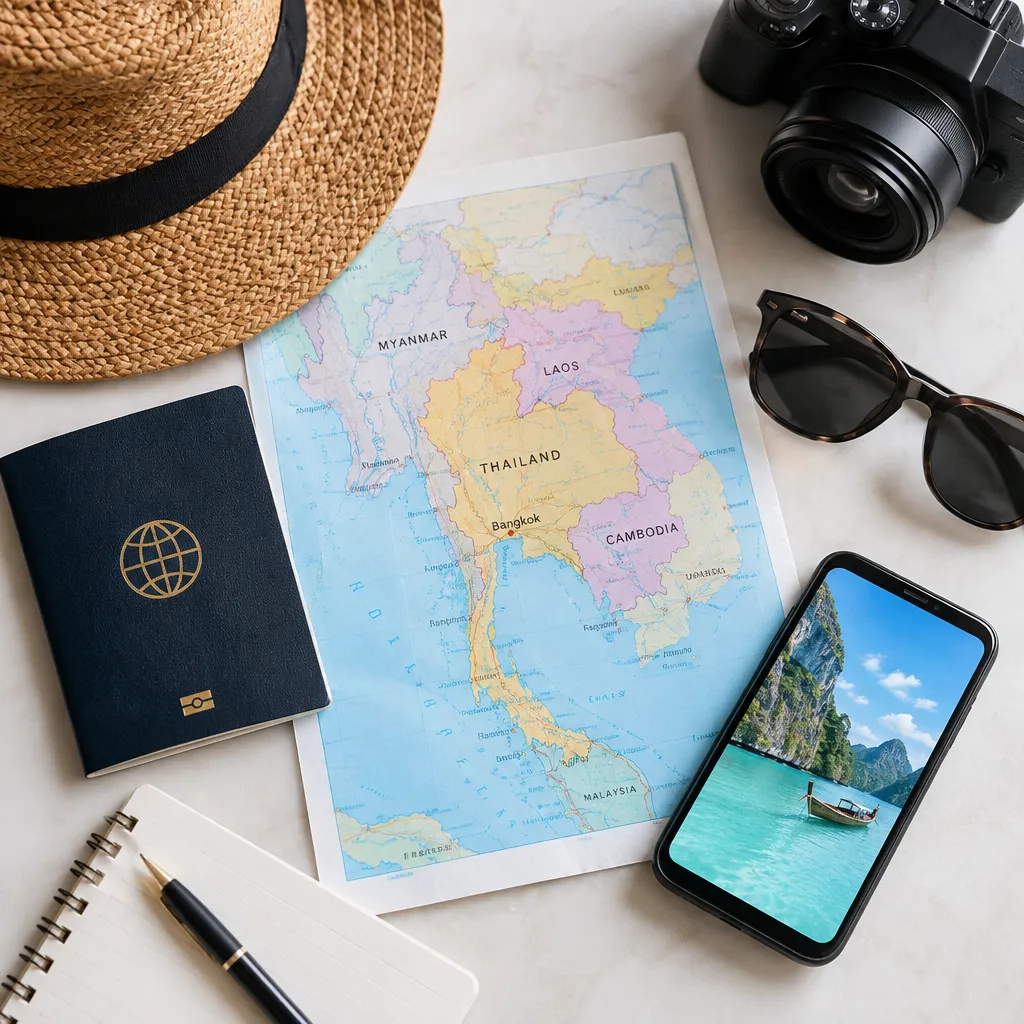
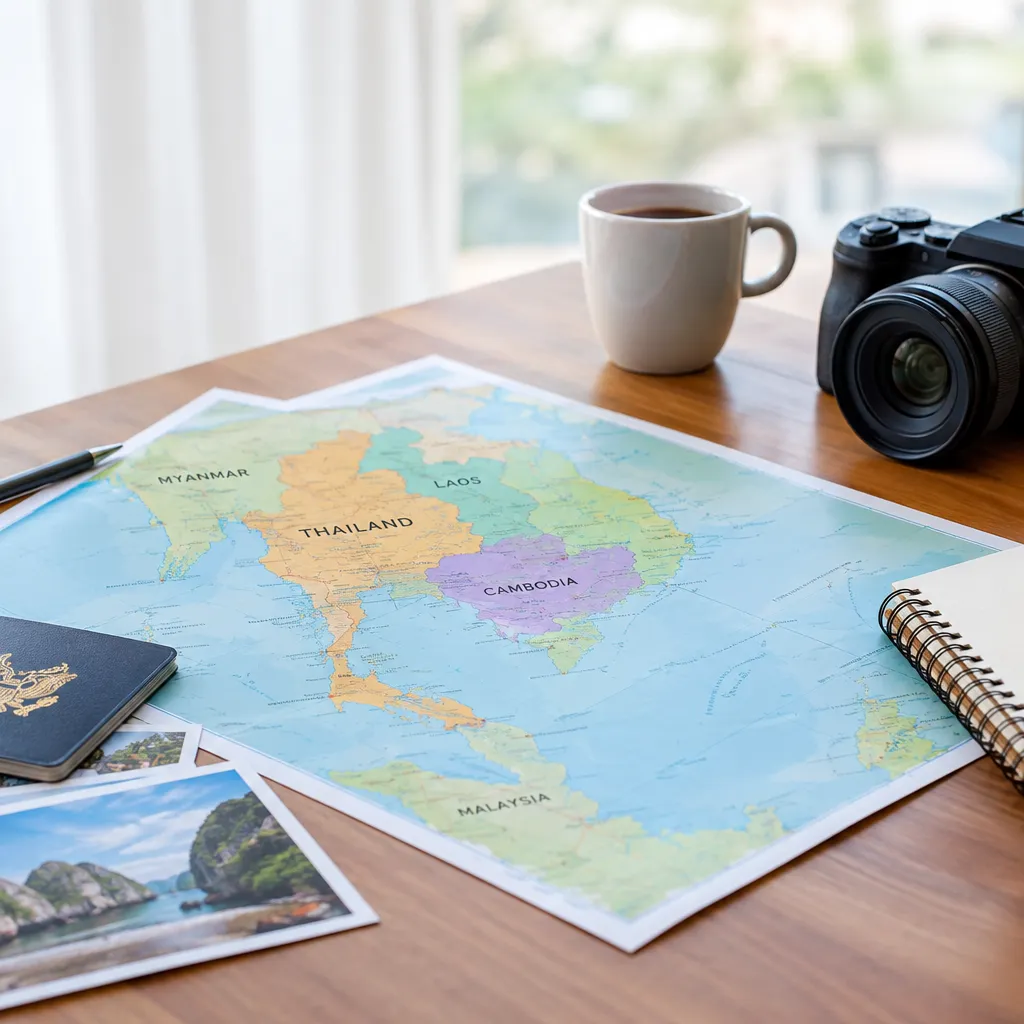
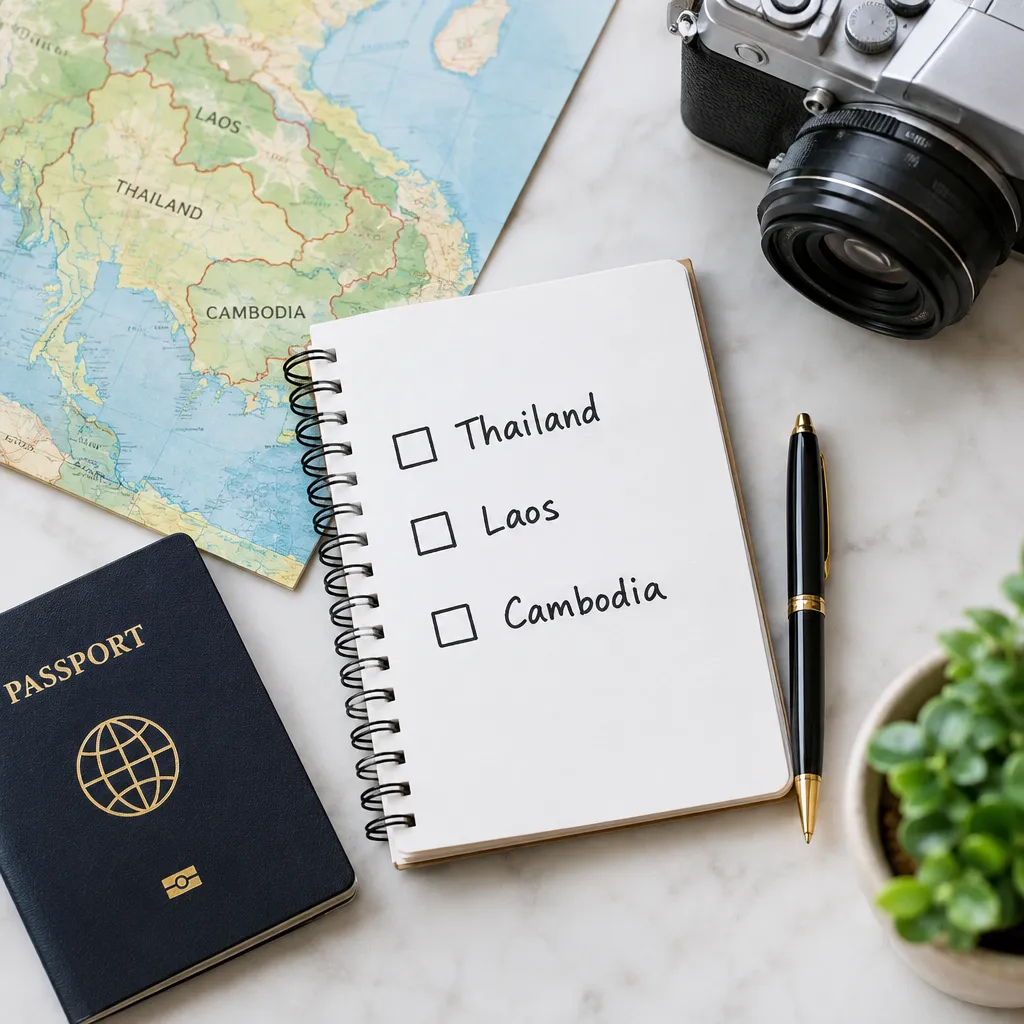
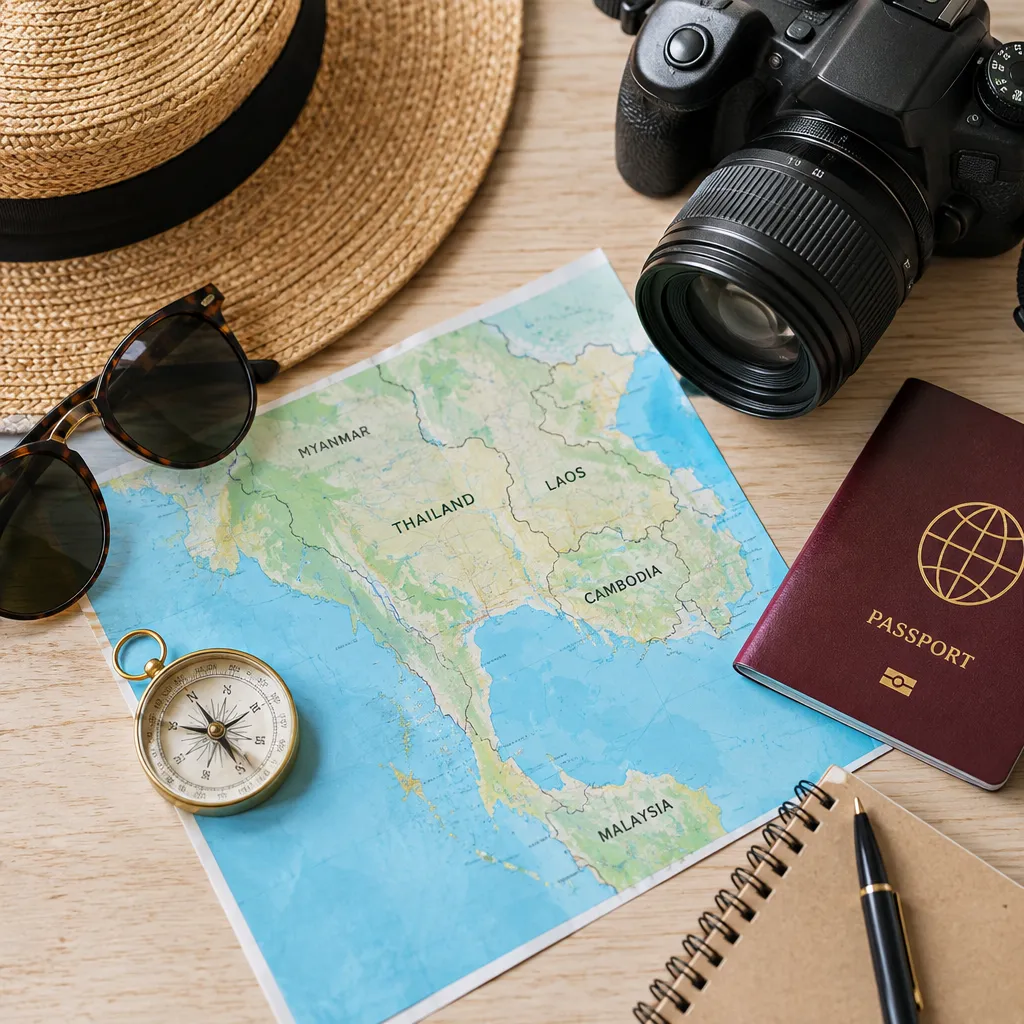
The Golden Triangle is a regional geography and history area, not a single country or city. The three Golden Triangle countries are:
- Thailand, on the western and southern side
- Myanmar, to the west and northwest
- Laos, to the east
For travelers, the Thai side is often the most practical base for viewpoints, river scenery, and onward planning. It should not be confused with Phuket or Krabi, which are separate destinations in southern Thailand. For wider itinerary context, see our Phuket travel planning guide.
2. Compare value over the full use period
The Golden Triangle is best understood as a regional stop rather than a complete holiday destination by itself. Its value depends on how it fits into a wider route through northern Thailand, Laos, or Myanmar, including transport time, border arrangements, and the length of stay.
A country overview can help when comparing routes across Thailand destinations, but specific entry rules, border access, and transport schedules require confirmation for the intended travel date.
3. Separate must-have features from nice-to-haves
A useful map-style explanation starts with the rivers. The Mekong forms much of the border between Thailand and Laos, while the Ruak River joins it near the meeting area. Myanmar lies across the water from Thailand, creating the familiar three-country triangle.
Must-know features include the three countries, the river confluence, and the distinction between geography and tourism branding. A boat trip, viewpoint, or border visit may show the region, but does not mean that every country can be freely entered. For a separate island-travel comparison, read the Phi Phi Trip: B2B Booking Guide.
4. Check the tradeoffs before you commit
The region has a complicated history. It became internationally associated with opium production and trafficking, particularly during the twentieth century, when remote borderlands and limited state control supported illicit cultivation and trade.
That history remains important, but the Golden Triangle should not be described only through drugs. Present-day conditions vary by location, border status, and political circumstances. Travelers and travel planners should check current government advisories, permitted crossings, transport conditions, and local guidance before including a border-area visit.
5. Use a simple final decision rule
Use this rule: if a source says “Golden Triangle,” first check whether it means the Southeast Asian border region or a different tourist route.
The Southeast Asian Golden Triangle means Thailand, Myanmar, and Laos. In India, “Golden Triangle” usually refers to the tourism circuit linking Delhi, Agra, and Jaipur. These are entirely different regions, so confirming the country and itinerary prevents incorrect quotations and travel planning.
6. One more thing that makes a difference
The Golden Triangle is not a fourth country. “Golden Triangle country” is a search phrase sometimes used loosely, but there is no single official country with that name. The term describes a cross-border region whose cultural, historical, and tourism boundaries may be wider than the precise river meeting point.
It is also different from attractions that borrow the name, including hotels, casinos, shopping areas, and tour products in other parts of Asia. Always check the map, nearest town, border crossing, and intended activity before relying on a description.
Countries in the golden triangle FAQ
Why is it called the golden triangle?
The name refers to the three-country shape formed by Thailand, Myanmar, and Laos near the Mekong and Ruak rivers. “Golden” is commonly linked to the region’s historical opium trade.
Why is it called the golden triangle in India?
In India, the Golden Triangle is a separate tourist circuit connecting Delhi, Agra, and Jaipur. It has no geographic connection with the Thailand–Myanmar–Laos border region.
What was the Golden Triangle famous for?
The region was historically famous for opium cultivation and trafficking. It is now also discussed as a borderland with river scenery, cultural history, and tourism sites.
Does the golden triangle still exist?
Yes. The geographic region still exists where Thailand, Myanmar, and Laos meet. Its security conditions, border access, and tourism arrangements can change over time.
Is the golden triangle safe?
Safety depends on the specific location, route, and current conditions. Check official travel advisories and local border guidance before visiting or selling an itinerary there.
What drug is the Golden Triangle known for?
The Golden Triangle is historically associated with opium and heroin production. This association describes its past illicit economy and should not be treated as a complete description of the region today.
Countries in the golden triangle basics: what should you know first?
The three countries are Thailand, Myanmar, and Laos. The core meeting area is associated with the Mekong and Ruak rivers in mainland Southeast Asia.
Countries in the golden triangle options: how do you choose the right one?
Choose based on the actual itinerary, border rules, transport access, and current advisories rather than the name alone. Confirm whether the plan concerns Southeast Asia or India.
Recommended next steps
For accurate planning, identify the intended Golden Triangle, mark the countries and rivers on a current map, then verify border access and travel advisories for the dates involved. If the itinerary also includes southern Thailand, keep Phuket and Krabi planning separate from this northern border region.
About the author
Ananya Menon
B2B Travel Content Editor
Ananya Menon brings practical experience in Phuket destination services and B2B travel operations. She writes for travel agents who need dependable activities, transfers, package arrangements, wholesale pricing, and fast booking coordination across Phuket, Krabi, and nearby islands. Her content combines local operational knowledge with clear, commercially focused guidance to support accurate client itineraries and efficient bookings.
Phuket tour operationsWholesale travel servicesAirport and hotel transfersAdventure activity planningB2B itinerary support
Powered by SeoVision